What inspired you to start publishing books?
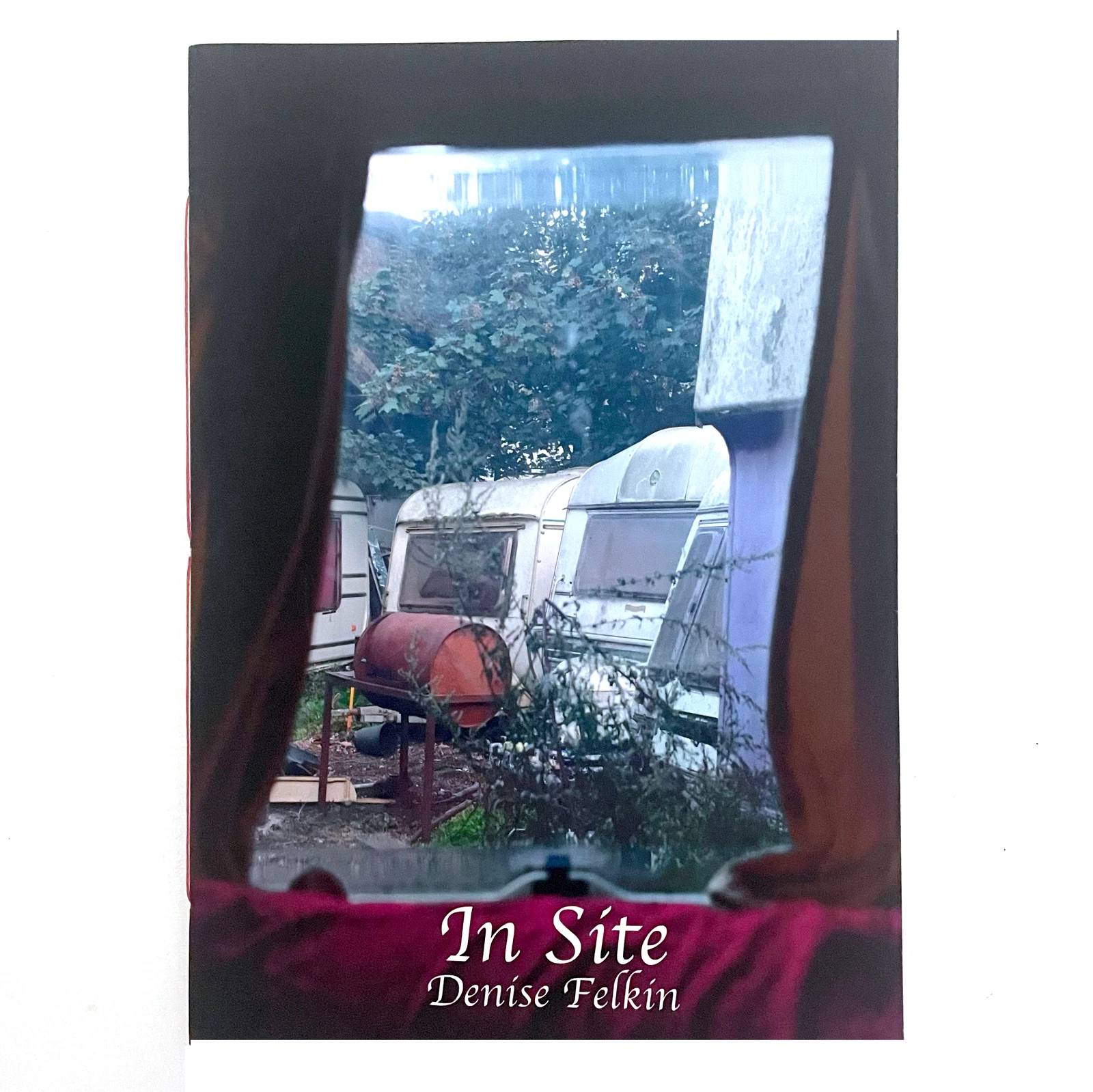
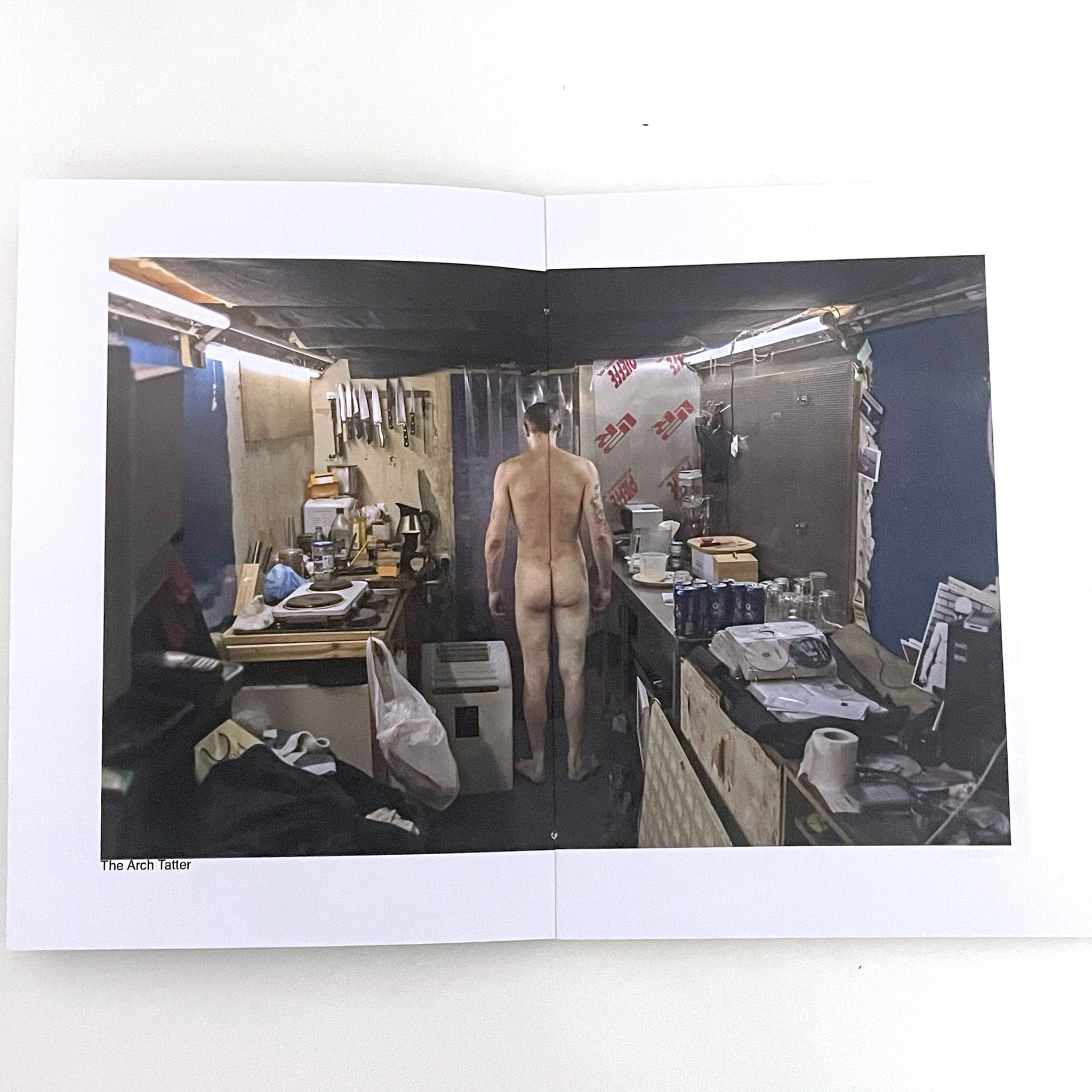
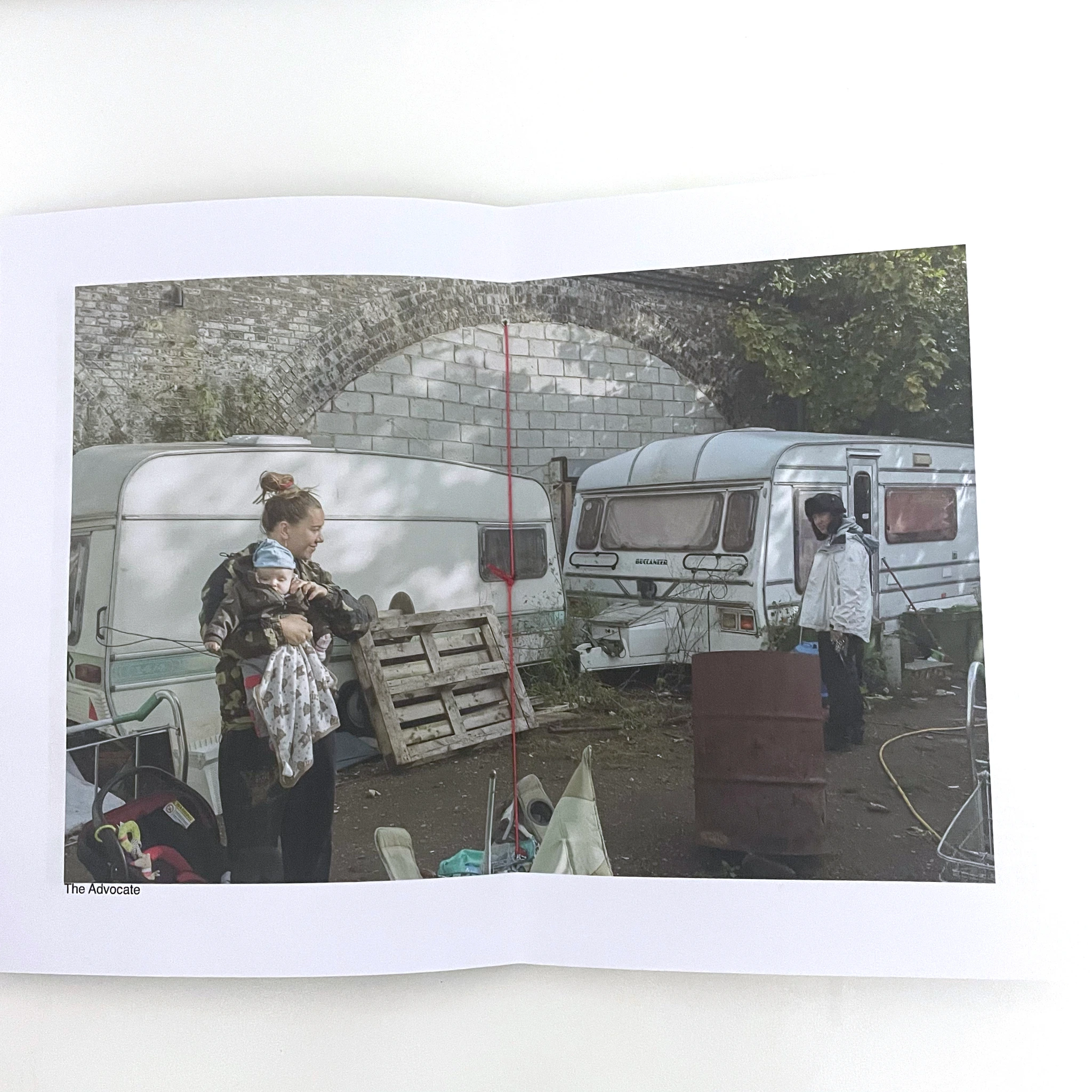
I made my first book with Brighton's homeless community; we created a project about what it was like to live and sleep on the streets. At the time, I worked in a homeless hostel and received funding to facilitate 'Living Rough- Rough Living' (2012). We showed the outcomes of 25 participants at the Brighton Fringe Festival. It was a huge success in terms of participant/ audience feedback. A year later, I saw an open call to be part of the Brighton Photo Biennial Photobook show. I self-published and entered. The postcard-sized photobook was accepted and shown at our local Jubilee Library. I shared this same body of work for my MA Photojournalism interview at the University of Westminster; the series got me a place on the course and I was awarded a scholarship from the university to study part-time.
What draws you to the photobook as a format?
On the Master's degree, our History and Theory of the Published Page module was led by David Campany; we were frequently shown photobooks and taught about sequencing and image-text relationships. In earlier years, I initially trained in analogue photography and moved to digital around a decade before; it is good to see images off the screen and have a more tactile feel, such as the texture of paper types and the action of turning a page.
How has your practice changed over time?
My second independently made book, ‘I’m Not Voting Because…’, (2014) is from my Master's final major project, where I gained a Distinction. I created a 12-inch square book to replicate a vinyl record, as I was influenced by the eighties era of growing up as a punk during the Thatcher era. After, 'Mum’s Not the Word', (2019) was initiated by my own childfree status and was commercially published, and sold 1,000 copies in the first year. Unfortunately, my publisher pulped 3.5k copies during lockdown, which was heartbreaking. I managed to buy a few hundred before this. I have since self-published zines to keep full control.
What's a book you've been involved with that surprised you — either in how it came together or how it landed?
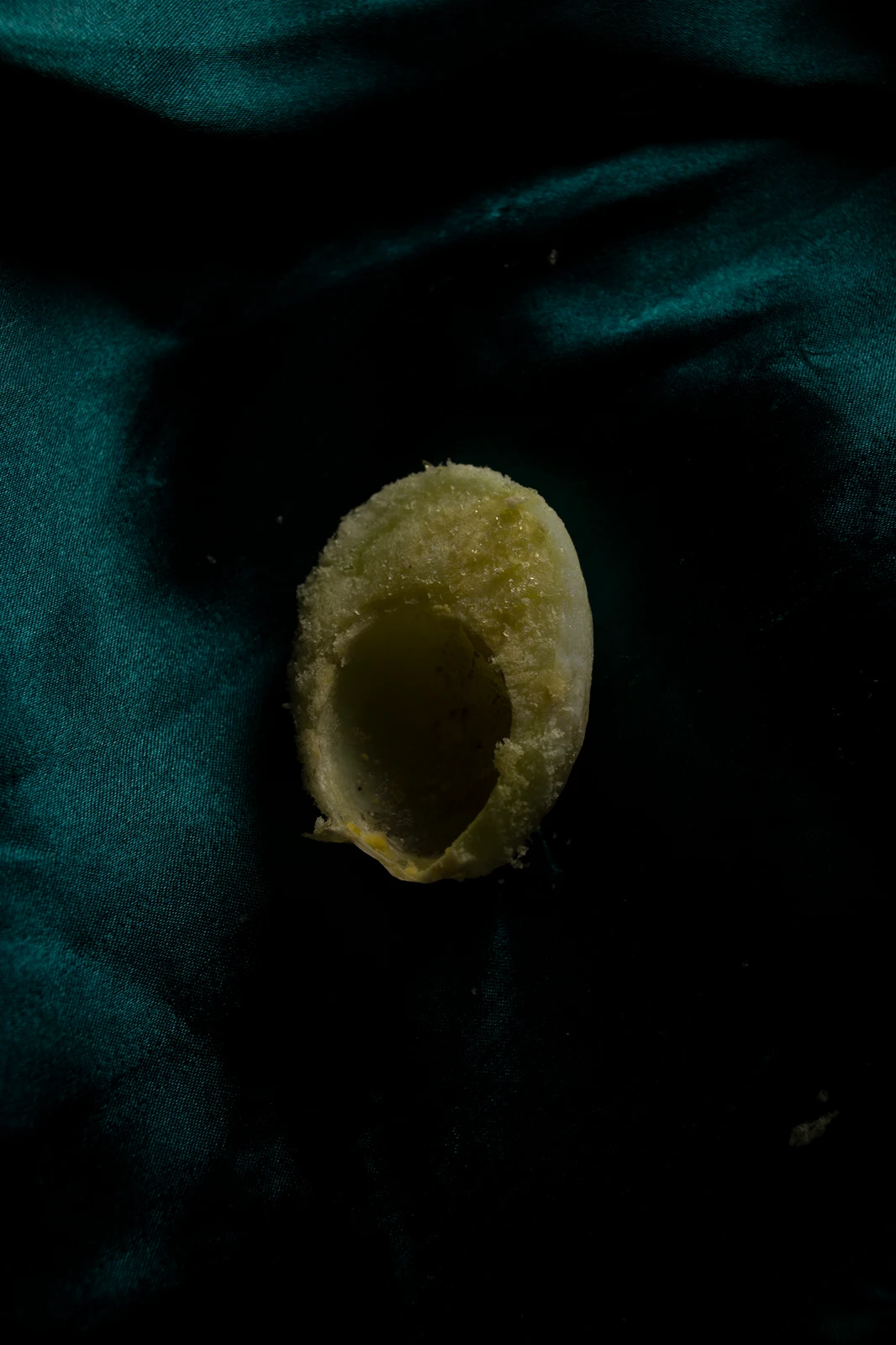
'0void: The Art of Not Having Kids' (2023). At the time, my teaching job left me with no time to create, and my studio was freezing in the winter. I took advantage of these two challenges and created a still-life experimental project which involved photographing ice and other found objects to narrate the birth of evolution and the void. It was a set-up that was easy to return to for a spare hour I could find travelling to and from work. On completion, I shared it in a few competitions/opportunities, but it seemed to receive a negative response. I tried something different: I entered it into the Tokyo International Foto Awards to see how it would be received by an Eastern audience, and it won a silver prize in the documentary category and was exhibited in Tokyo and Budapest. A year later, it received an Honourable Mention in the Conceptual category of the 1839 Awards.
What's next for you?
Get some funding; for three years, I have been researching family heritage and the legacy of being a childfree woman. In my family history, the co-founder of the Methodist church is George Whitefield (who is my 7th great-uncle), whose only child died in infancy. Although Whitefield did not leave a direct bloodline, he left 5,000 churches in the UK. In 2025, I received Arts Council Develop Your Creative Practice funding to find a way to enter the church and its archives from an agnostic perspective. To streamline this, I made contact and have gained permission to photograph in seven churches on the route my maternal family migrated – Plymouth, Bristol, Gloucester, Oxford, London, Birmingham, and Tamworth – and plan to make an art book to donate to the Methodist Women in Britain Archive in Epworth. I’m keeping the rest of my plan under wraps for now..